


Top 10 Ways To Save Water At Home in 2026
With water scarcity becoming an increasingly pressing issue across the UK, saving water at home is no longer just a cost-saving exercise. It is an environmental responsibility. From more efficient showering to smarter daily habits, small changes can dramatically reduce water usage without compromising comfort.
Below are ten evidence-based, practical ways to save water in 2026, starting with one of the most effective upgrades you can make in your bathroom.

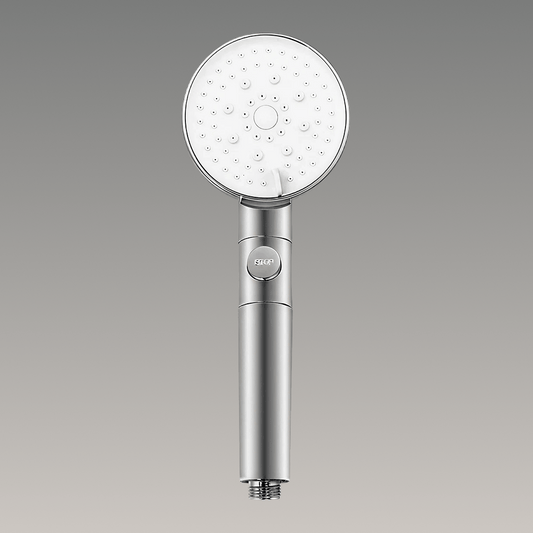
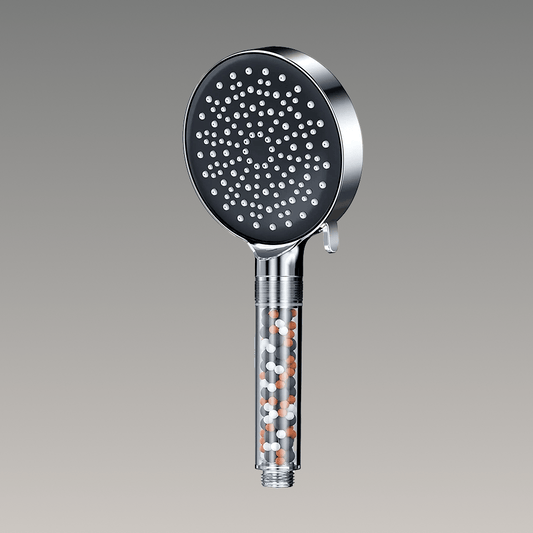
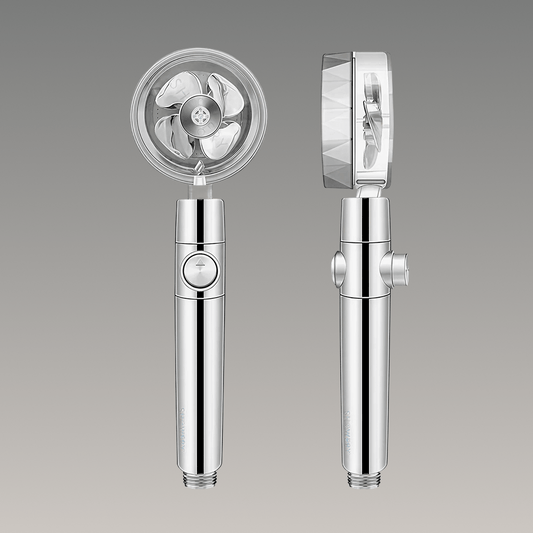
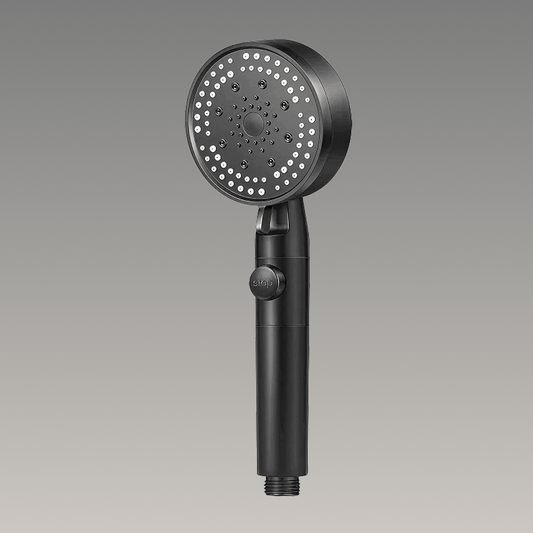
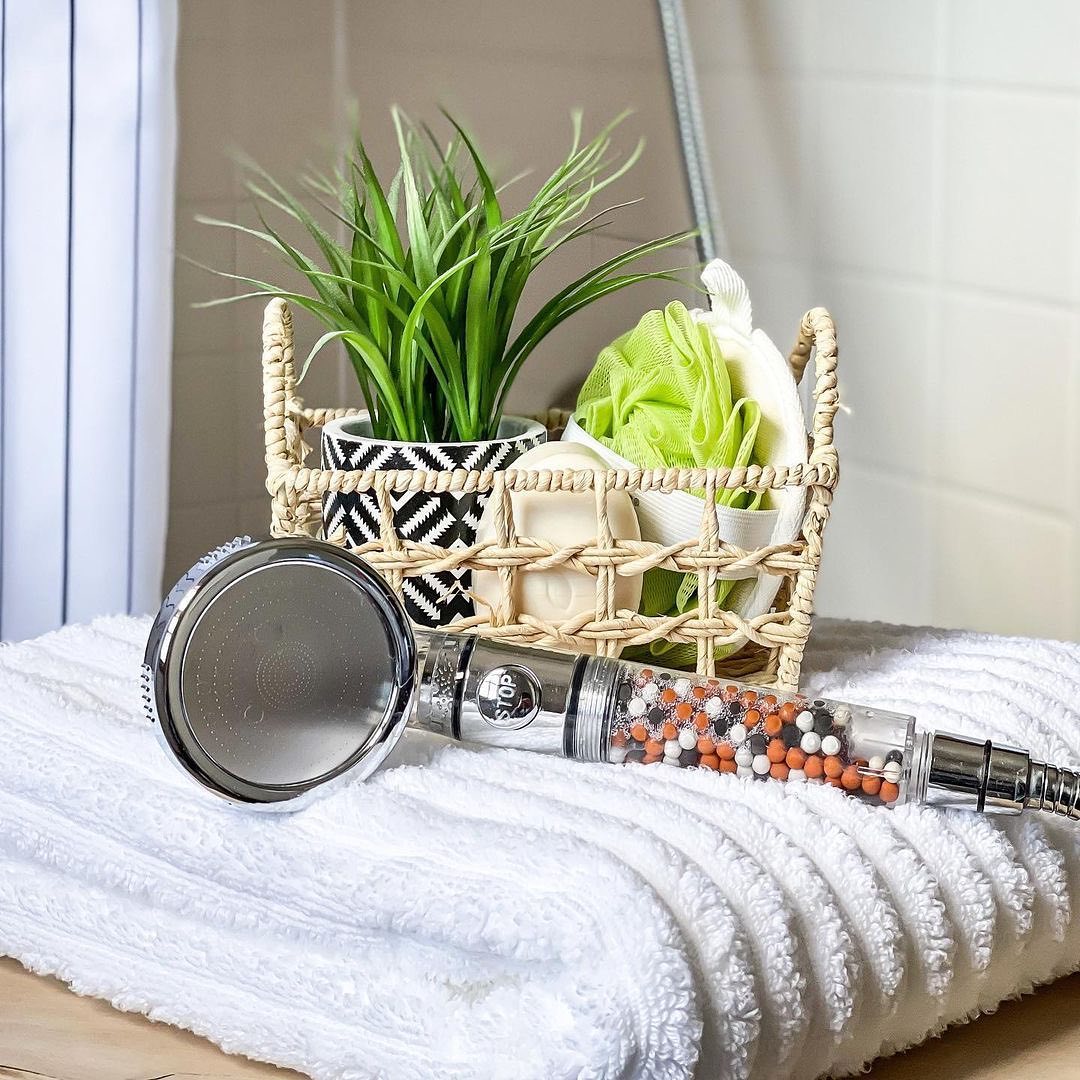
1. Switch to a Water-Saving Shower Head
Showers account for a significant proportion of household water use. Traditional shower heads can use between 12 and 15 litres per minute, whereas modern water-saving designs use considerably less while maintaining strong pressure.
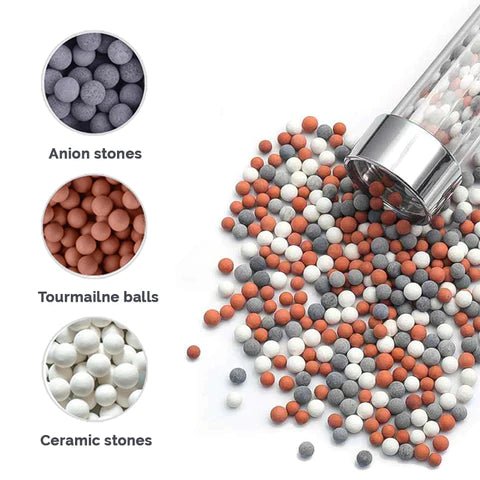
High-efficiency shower heads use flow regulators and precision nozzle engineering to reduce water consumption without affecting the showering experience. If you are actively looking to cut water use, this is the single most impactful upgrade you can make.
Explore our range of water-saving shower heads designed for UK homes.
“Simple changes like fitting efficient shower heads can save thousands of litres of water per household each year.”
— Waterwise UK
2. Take Shorter Showers
Reducing your shower time by just two minutes can save hundreds of litres of water per week. Pairing shorter showers with a water-saving shower head compounds the impact significantly.
3. Turn Off the Tap While Brushing Teeth
Leaving the tap running while brushing your teeth wastes up to six litres of water per minute. Turning it off is a zero-cost habit change with immediate benefits.
4. Fix Leaks Promptly
A dripping tap or leaking toilet may seem minor, but over time it can waste thousands of litres annually. Regularly checking your plumbing is a simple but often overlooked water-saving measure.
5. Use Full Loads in Dishwashers and Washing Machines
Modern appliances are designed to be water-efficient when used correctly. Running half-loads increases water waste and energy usage per item cleaned.
6. Install Tap Aerators
Tap aerators reduce flow while maintaining pressure by mixing air into the water stream. They are inexpensive, easy to install, and highly effective in kitchens and bathrooms.
7. Collect and Reuse Water Where Safe
Greywater from rinsing vegetables or waiting for taps to heat up can be reused for watering plants. In gardens, rainwater butts remain one of the most sustainable solutions available.
8. Choose Water-Efficient Toilets
Dual-flush toilets and modern cistern designs significantly reduce water usage per flush compared to older models.
9. Be Mindful in the Garden
Water gardens early in the morning or late in the evening to minimise evaporation. Drought-resistant plants also reduce long-term water demand.
10. Track and Monitor Your Water Usage
Understanding how much water your household uses is key to reducing it. Many UK water providers now offer smart meters or usage insights to help households make informed changes.
“Reducing water demand is one of the fastest and most cost-effective ways to protect our environment.”
— UK Environment Agency
Why Shower Efficiency Matters More Than Ever
According to Ofwat, average household water use in England and Wales remains above sustainable levels. Showers represent one of the largest controllable uses of water in the home, making efficient shower heads an essential upgrade in 2026 and beyond.
Learn more about how efficient showering can make a measurable difference by visiting our Showery home page.
Start Saving Water Today
If you are serious about reducing water consumption without sacrificing comfort, upgrading your shower is the logical first step.
Browse our curated collection of water-saving shower heads and take a meaningful step towards a more sustainable home.