


10 Effective Ways to Boost Water Pressure in Your Shower
Low shower pressure is one of the most common frustrations in UK homes. Whether you live in a flat, a hard water area, or a property with ageing pipework, weak water flow can turn a daily shower into an underwhelming experience.
The good news is that improving shower pressure is often simpler than people expect. Below are ten proven, practical ways to boost water pressure - starting with the most effective solution.
1. Upgrade to a High-Pressure Shower Head
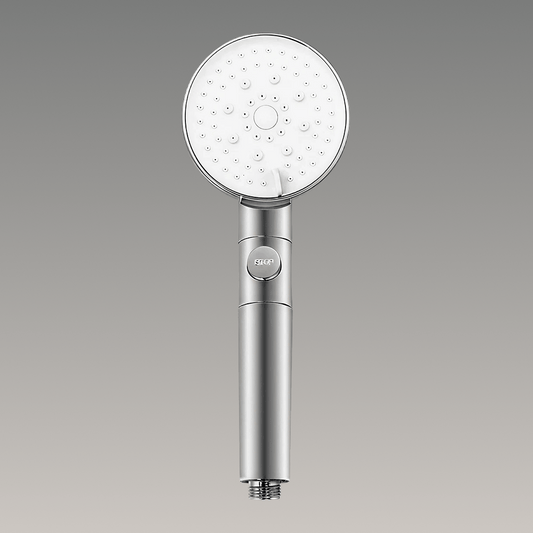
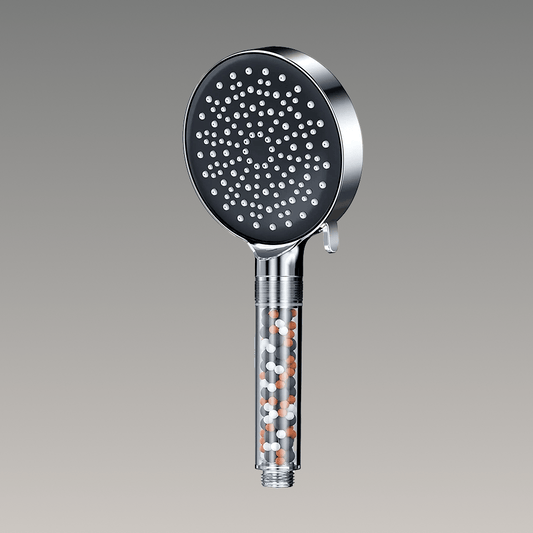
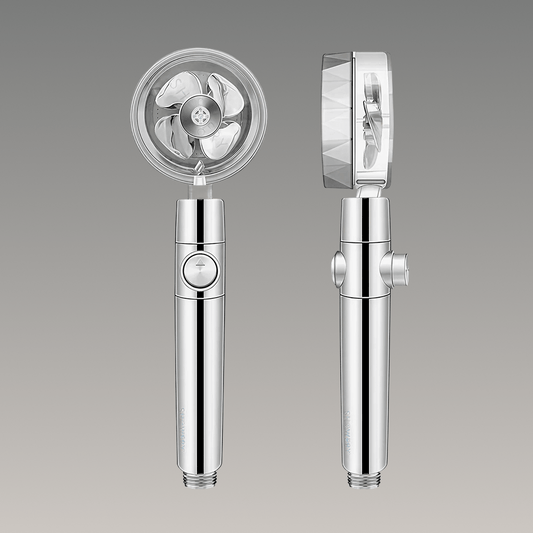
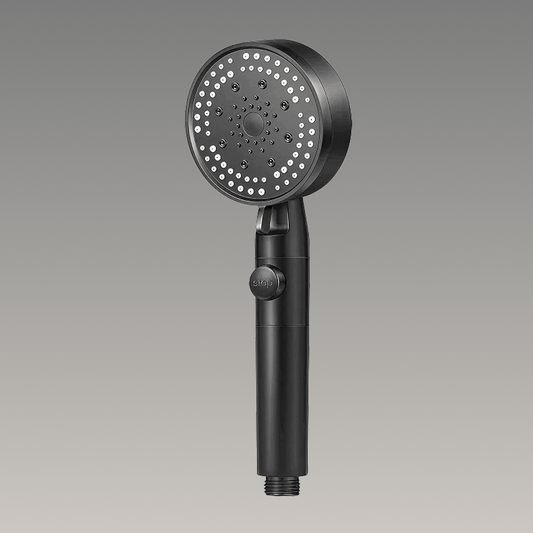
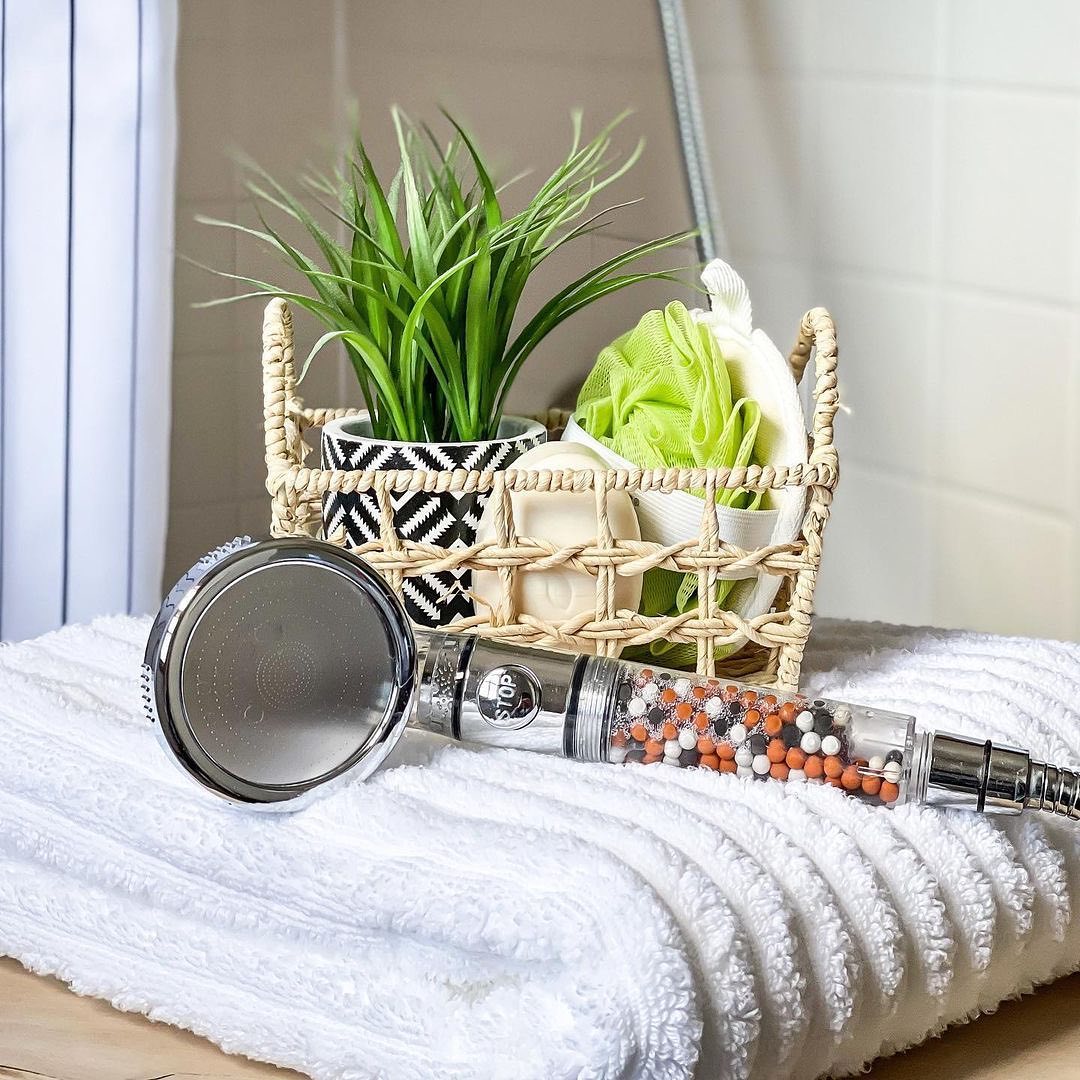
The fastest and most reliable way to improve shower performance is by switching to a high-pressure shower head. Unlike standard designs, these use precision-engineered nozzles to increase water velocity, creating a stronger spray even in low-pressure systems.
High-pressure shower heads are particularly effective in UK homes with gravity-fed systems, shared water supplies, or older plumbing.
Browse our dedicated collection of high-pressure shower heads, designed specifically to maximise flow without increasing water usage.
“Shower head design plays a major role in perceived pressure. Modern models can significantly improve spray performance without altering plumbing.”
— Chartered Institute of Plumbing and Heating Engineering (CIPHE)
2. Clean Limescale from Your Shower Head
Limescale build-up restricts water flow and reduces pressure over time—especially in hard water areas. Regularly cleaning or descaling your shower head can restore lost performance.
3. Check for Partially Closed Valves
Shut-off valves controlling water supply to the shower may not be fully open, particularly after maintenance work. Ensuring they are completely open can instantly improve pressure.
4. Replace Old or Narrow Shower Hoses
Kinked, clogged, or narrow-diameter hoses can restrict flow. Upgrading to a modern, wider-bore hose can make a noticeable difference.
5. Remove Flow Restrictors (Where Appropriate)
Some shower heads include flow restrictors designed to limit water usage. In certain systems, removing or replacing these (where legal and appropriate) can increase pressure. Always check manufacturer guidance.

6. Install a Shower Pump (If Suitable)
For homes with very low pressure, a shower pump can significantly improve flow. This is a more involved solution and may require professional installation, but it can transform performance in gravity-fed systems.
7. Check Your Home’s Water Pressure
Low shower pressure may reflect low overall household water pressure. Your water supplier can confirm whether supply pressure is within expected UK standards.
According to Ofwat, minimum guaranteed water pressure levels vary by region and infrastructure.
8. Upgrade Old Pipework
Corroded or narrow pipes can restrict water flow. While this is a longer-term investment, replacing outdated pipework can improve pressure throughout the home.
9. Avoid Using Multiple Water Sources Simultaneously
Running washing machines, dishwashers, or taps while showering can reduce available pressure—especially in properties with shared supply lines.
10. Ensure Your Shower Is Matched to Your System
Electric, mixer, and power showers all behave differently depending on your water system. Using the correct shower head for your setup is critical to achieving strong pressure.
“Matching bathroom fittings to the correct water system is essential for both performance and efficiency.”
— Energy Saving Trust
Why Shower Heads Make the Biggest Difference
Unlike plumbing upgrades, a high-performance shower head improves pressure perception immediately—without increasing water consumption or energy costs.
Learn more about optimising your shower setup with Showery, where we focus on performance-led bathroom solutions.
Transform Your Shower Experience
If low pressure is affecting your daily routine, upgrading your shower head is the most efficient place to start.
Explore our full range of high-pressure shower heads and experience a stronger, more satisfying shower without complex plumbing work.