


Filtered Shower Heads for Hard Water: What You Need to Know

Hard water is common across the UK. If you're seeing limescale or your hair feels dry after every shower, here's what's going on — and what actually helps.
The Basics
What is Hard Water?
Hard water contains higher levels of calcium and magnesium. These minerals are not dangerous, but over time they cause limescale build-up — on your taps, inside your kettle, and inside your shower head.
You might have hard water if you notice any of these:

White marks around taps and fixtures

Cloudy residue on shower glass

Blocked or weakened shower spray

Limescale build-up in the kettle

Hair feeling dry after washing

Skin feeling tight after a shower
The Product
What is a Filtered Shower Head?
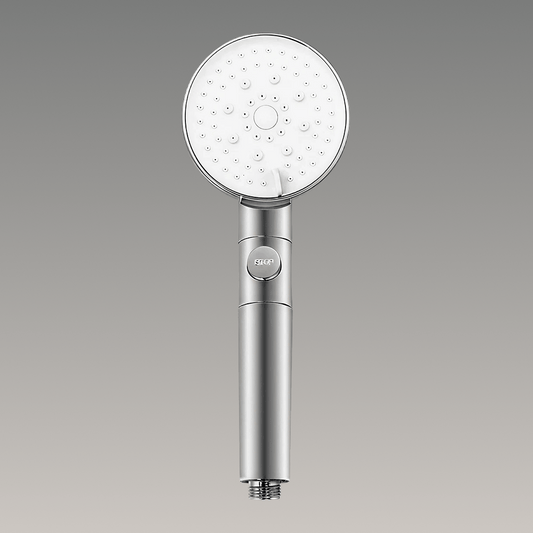
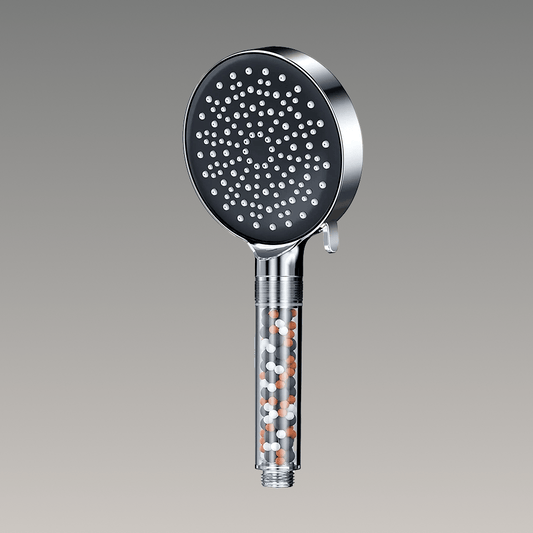
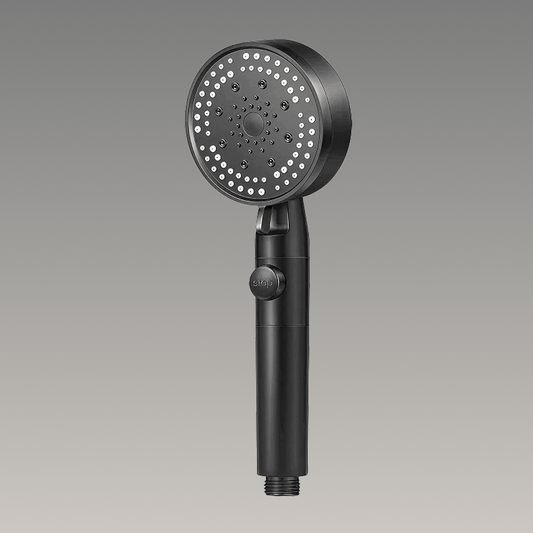
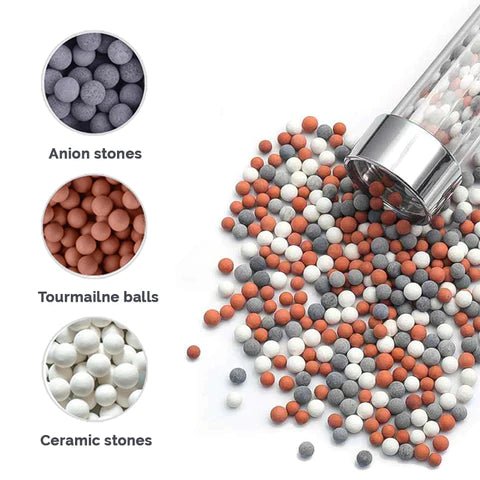
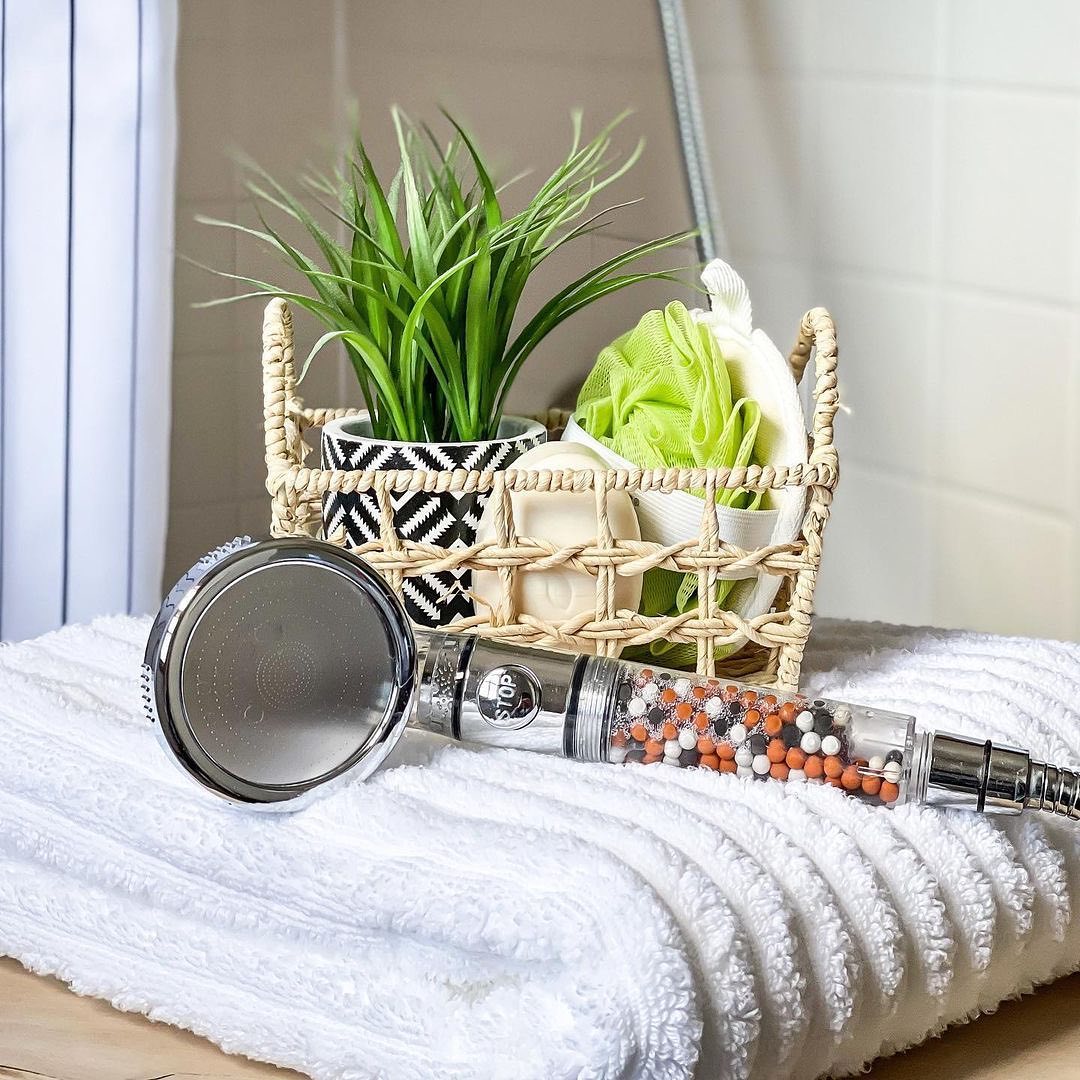
A filtered shower head contains filtering materials inside the unit — things like mineral stones, activated carbon, cotton filters, or KDF media. A universal shower water filter works to reduce impurities and improve how the water feels against your skin and hair.
It is not the same as a full home water softener. That distinction matters:

| Type | What it does | Scope |
|---|---|---|
| Filtered Shower Head Simple Upgrade | Reduces impurities at the shower point. May help reduce chlorine, sediment, and certain minerals. | Shower only |
| Full Water Softener | Treats the entire water supply for the home. | Whole home |
A shower filter is a simple shower upgrade.
A water softener is a full home water treatment system.
Both have different jobs. A filtered shower head is an affordable, no-install way to improve your daily shower without touching your plumbing.

Real Talk
Can It Help Your Skin and Hair?
Some people notice their shower feels gentler after switching to a filtered shower head. Hair may feel softer. Skin may feel less dry. This is likely because the water feels cleaner and less harsh against your skin.
Results vary from person to person. A filtered shower head should not be treated as a cure for dry skin, eczema, or hair loss. What it can do is improve the overall feel of your shower.

Why It Matters
How Hard Water Affects Your Shower Head
Mineral build-up inside the shower head gradually blocks the spray holes. When that happens, water flow gets weaker and the shower starts to feel less satisfying over time.
A shower head that is easy to clean — or one with replaceable parts — makes a real difference. Swapping in fresh replacement filter stones when needed keeps performance consistent.
Buying Guide
What to Look for in a Filtered Shower Head
- Replaceable filter parts
- Clear filter information
- Easy installation
- Good spray pressure
- Easy-clean design
- Compatible with your shower hose
- Honest product claims
- Positive customer reviews
Avoid products that make unrealistic promises. A good filtered shower head improves your shower experience — it does not promise magic.
Is This for You?
Who Should Consider One?
Good to Know
FAQs
01Do filtered shower heads really work?+
They can help reduce some impurities and improve the shower experience, depending on the filter type and your local water quality.
02Is a shower filter the same as a water softener?+
No. A shower filter works at the shower point. A full water softener treats water for the whole home.
03Can a filtered shower head help dry skin?+
It may help some people by making the shower feel gentler, but it should not be seen as a medical treatment.
04How often should filters be replaced?+
This depends on the product, water quality, and usage. Follow the product instructions, and keep a set of replacement filter stones on hand.
05Is Showery good for hard water?+
Showery filtered shower heads and filters are designed to improve the shower experience in homes dealing with hard water, low pressure, and everyday water quality issues.
In Short
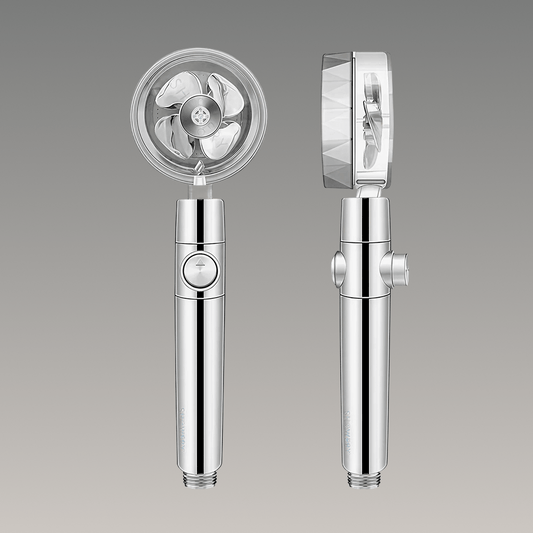
Final thoughts: In a hard water area, the right shower head can quietly change how every shower feels — it installs in minutes and asks far less of you than a full water softener. If the issue is mainly weak flow, a pressure-boosting shower head is worth trying.
Please note: Results can vary depending on your home's plumbing, water pressure, shower system, and local water quality.